From a sandstone mesa we watched the moon slide over the sun. Later, in a vast site full of ashy firepits and burned stone, an Archaic mano echoed those lunar shapes.
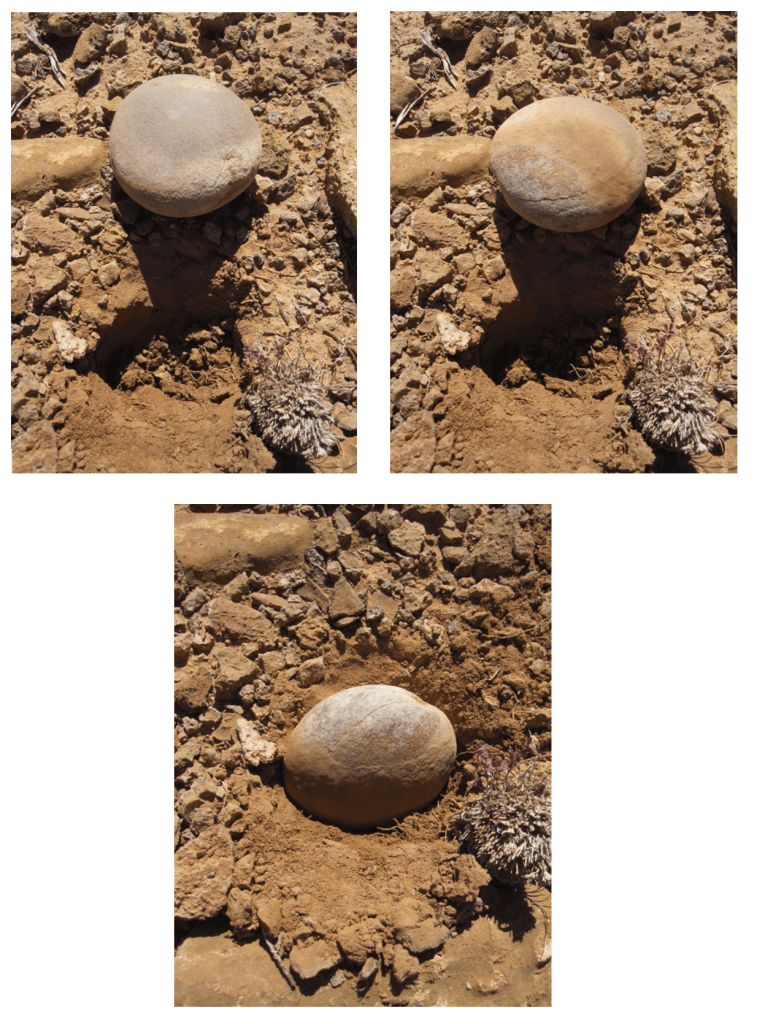
Below: exposed surface, buried surface, and its thousands-of-years-old bed.

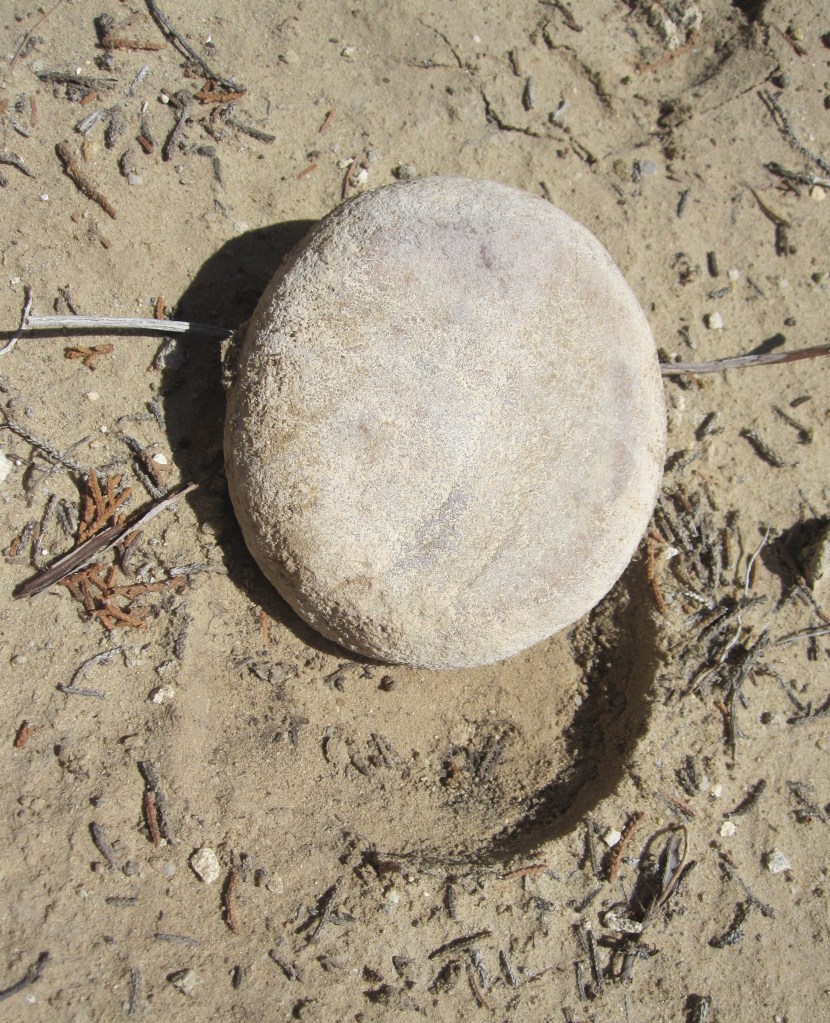

From a sandstone mesa we watched the moon slide over the sun. Later, in a vast site full of ashy firepits and burned stone, an Archaic mano echoed those lunar shapes.
Below: exposed surface, buried surface, and its thousands-of-years-old bed.
All day we spotted Archaic manos, grinding stones, whole or broken–this in terrain we’d hiked for decades. What was it about today?
First mano. Front elevation, rear elevation, then back into its nest for the next few thousand years:
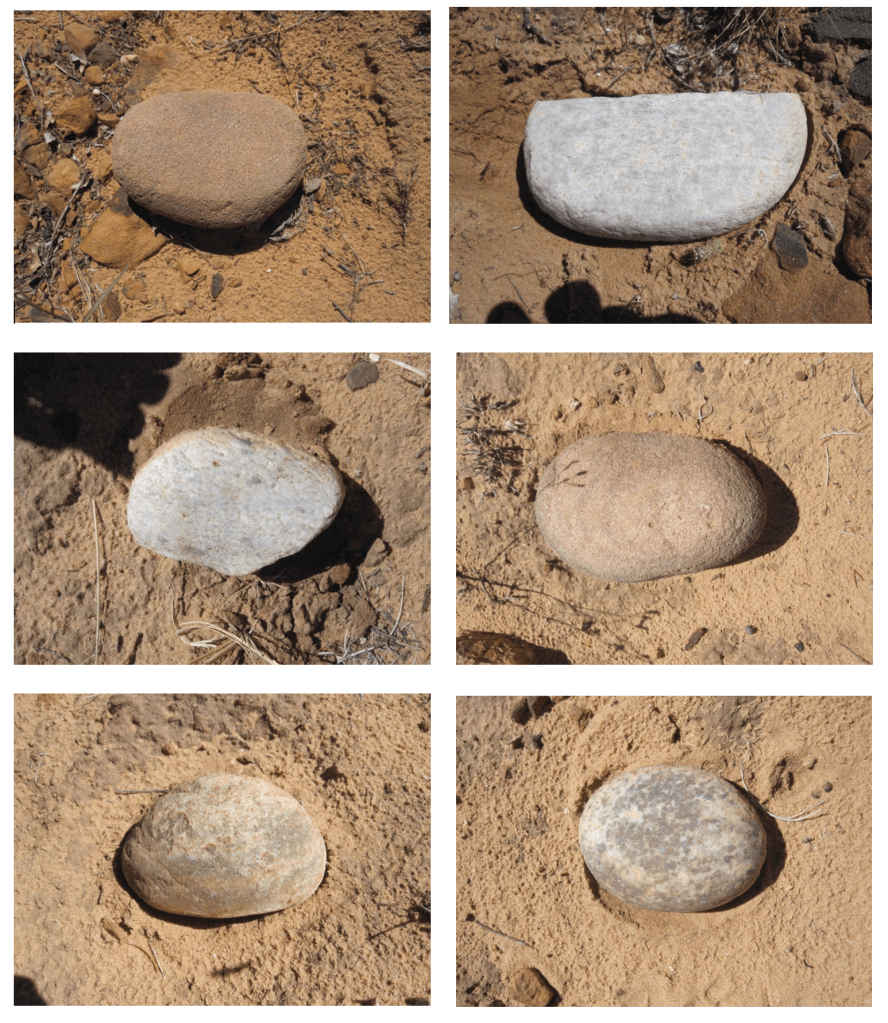
More manos: Some were carefully shaped. Some were an expedient cobble, one or both sides slicked by use on a handy flat rock as metate.
Unlike more recent, Puebloan manos, which were flat and wide for grinding corn, Archaic manos–thousands of years old–were a characteristic oval. Mostly they were used to grind wild seeds: Indian rice grass, for example. Or whatever edibles the desert had to offer. A friend in Zuni said of his wild-resourceful grandmother, “Grandma eats everything.”
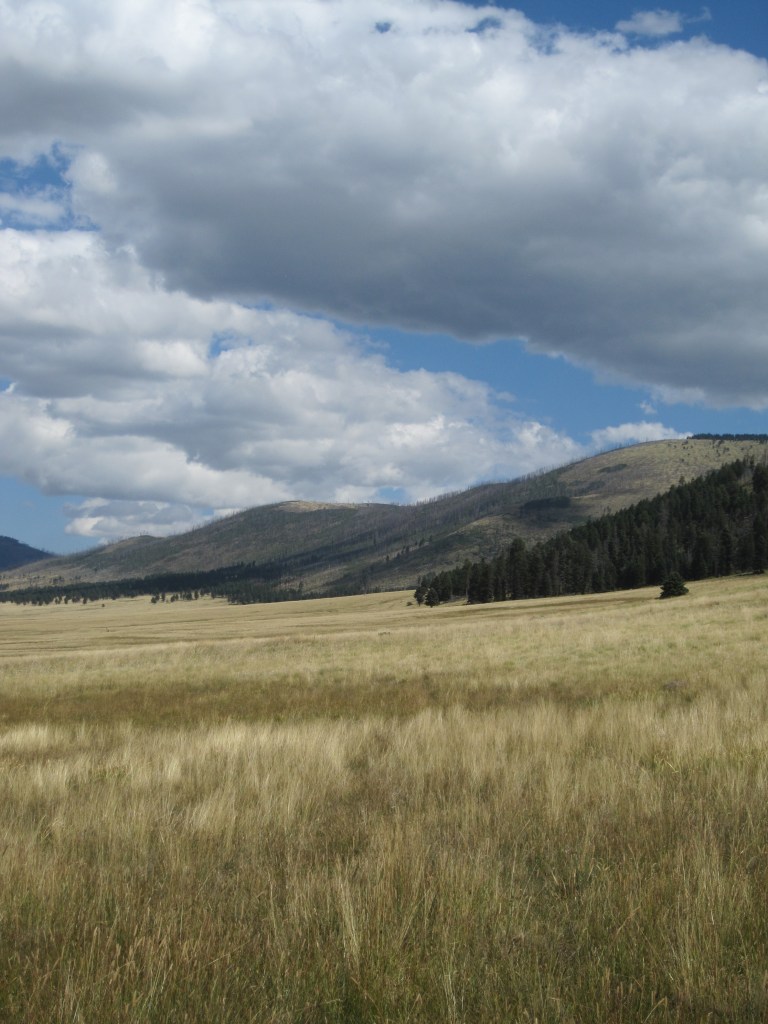
We set out from an altitude of about 9000′. Hiked down 800 vertical feet to the valley, where we picked up an elk trail fragrant with droppings. The grass was laid in the direction of travel, roughly northeast. We followed; the trail led us along the edge of the meadow, then abruptly back up the 800 vertical feet, through the ashy pine wood to the rim.
Never caught up to the elk. Probably they didn’t have to stop so often and sit down.
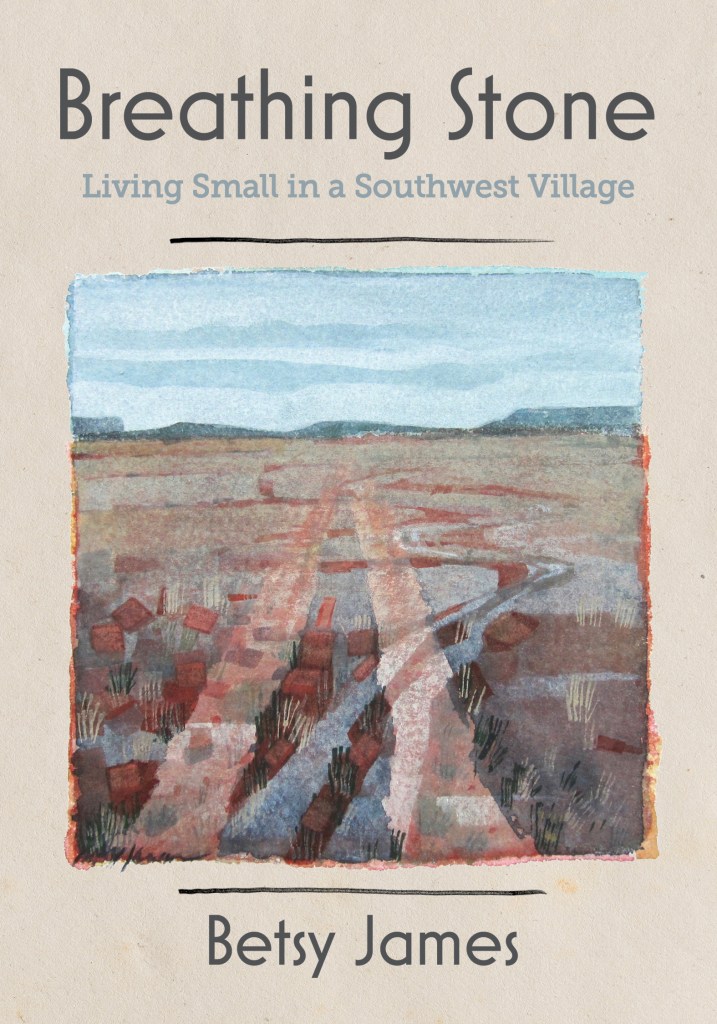
It feels like what it is, a field journal. I’m delighted with it:
https://casaurracapress.com/bookstore/p/breathing-stone
You can order it from your favorite indie bookstore; from Bookshop, the indie alternative to the big A:
or from the publisher, single copies okay:
https://casaurracapress.com/bookstore
Many miles of quiet walkabout. Illustrated.
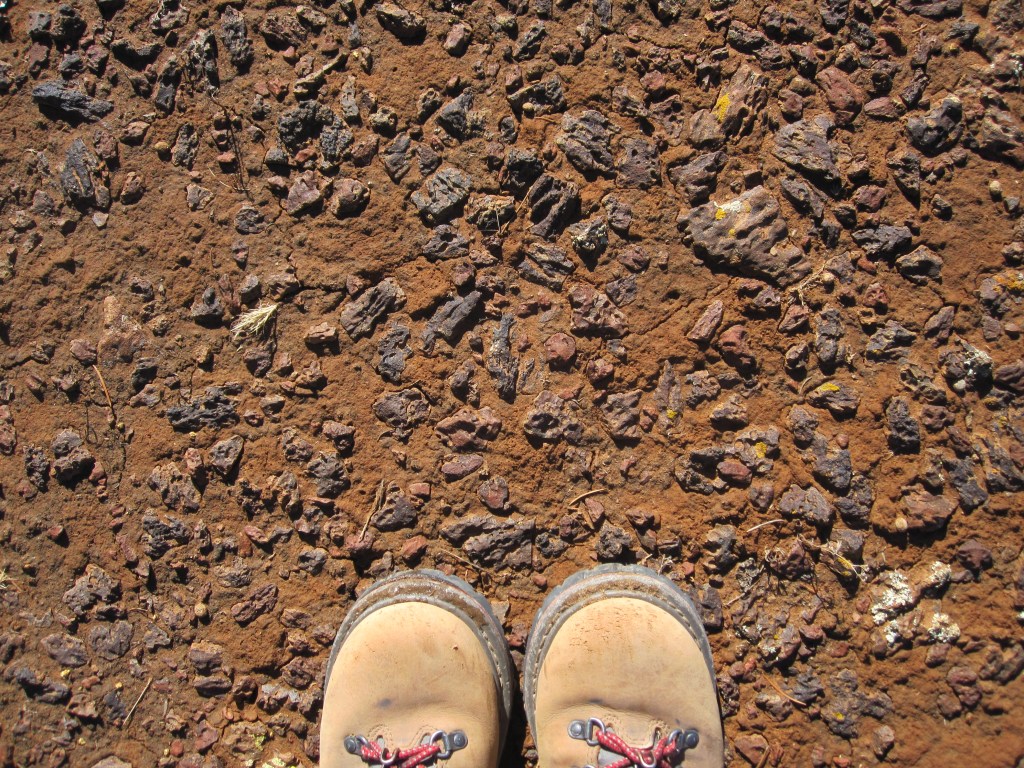

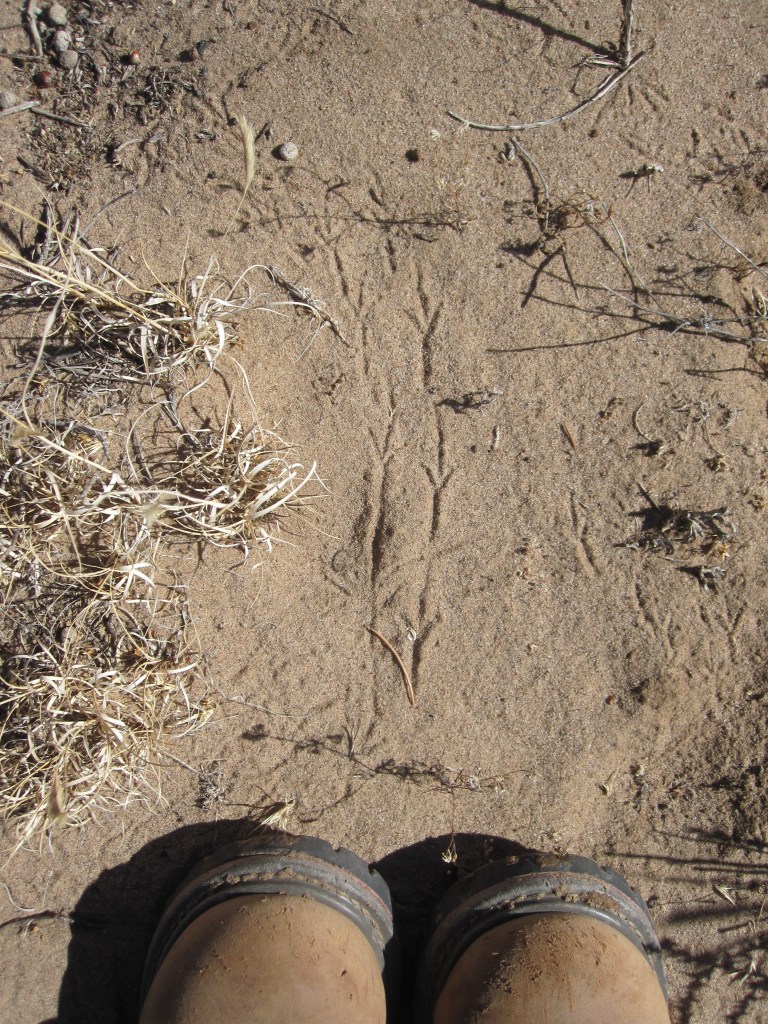
Where we put our feet can change within a yard or two.
Also true for others’ feet.
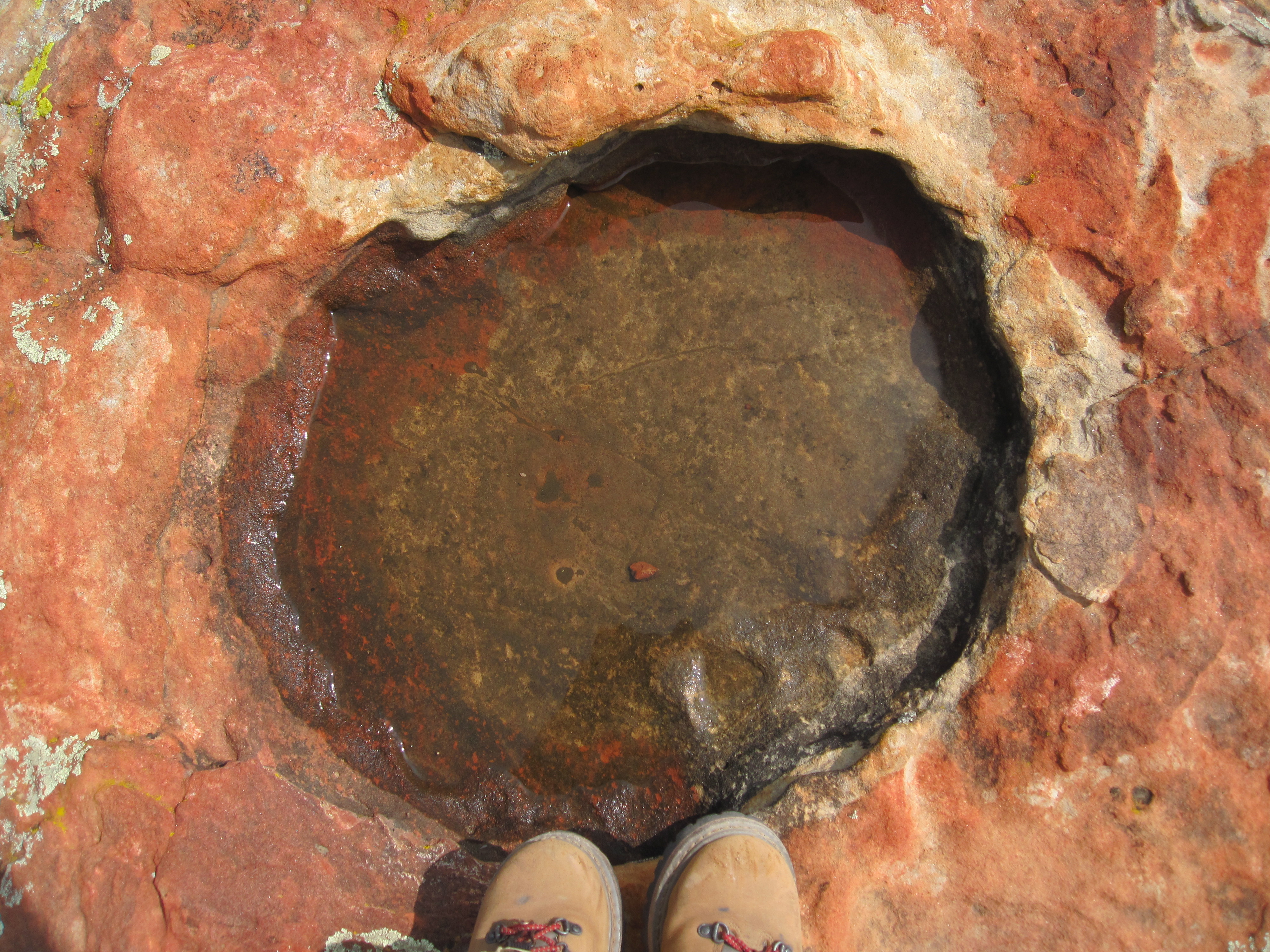
After long heat, rain and chill at last. The little tinajas in the sandstone have sips of water now for birds, foxes, coyotes.
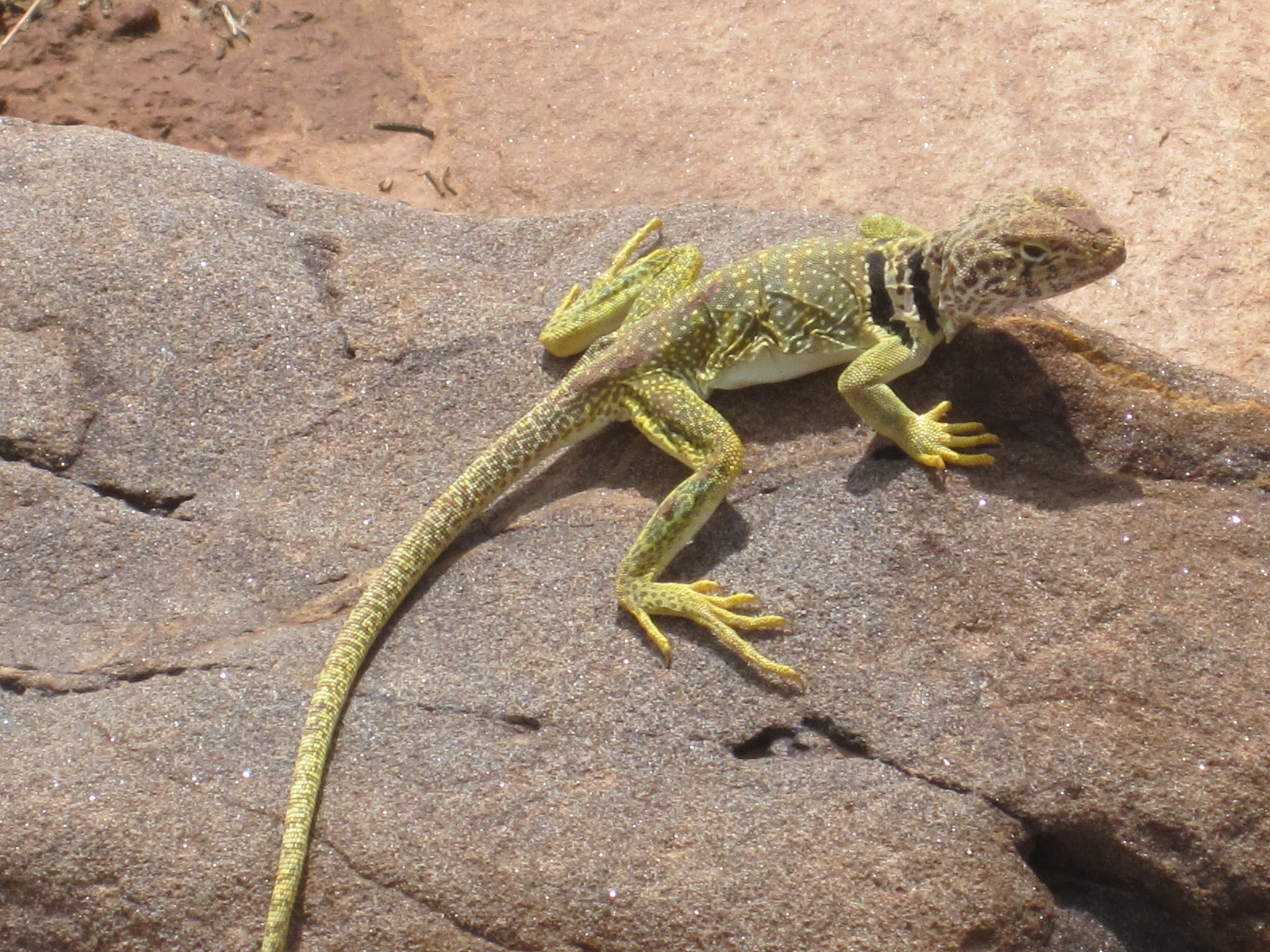
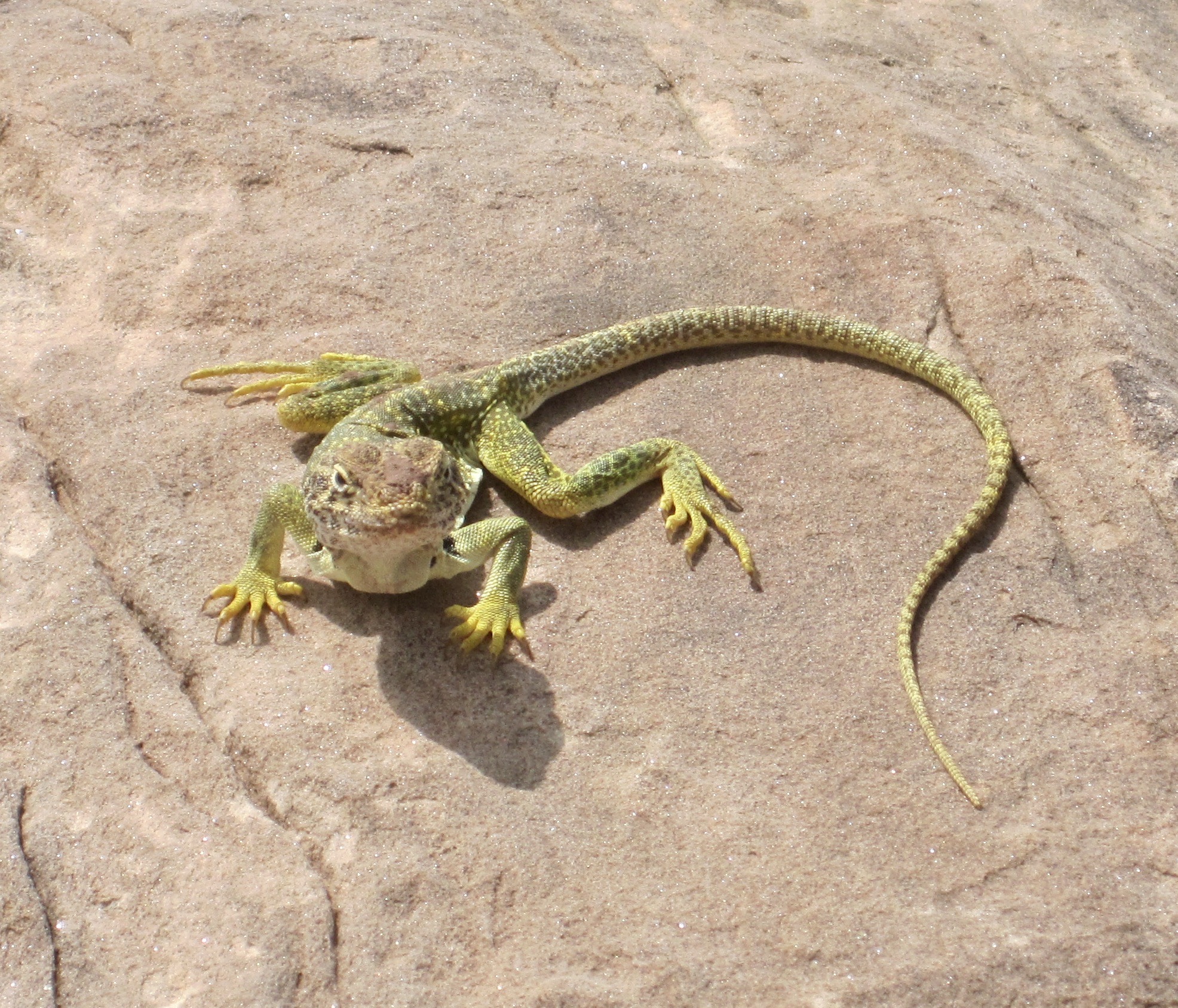
The sinuous watercourses are full of red mud. This collared lizard—male? female?—out and about before cold weather, was actually an outrageous neon chartreuse. With a muddy face.

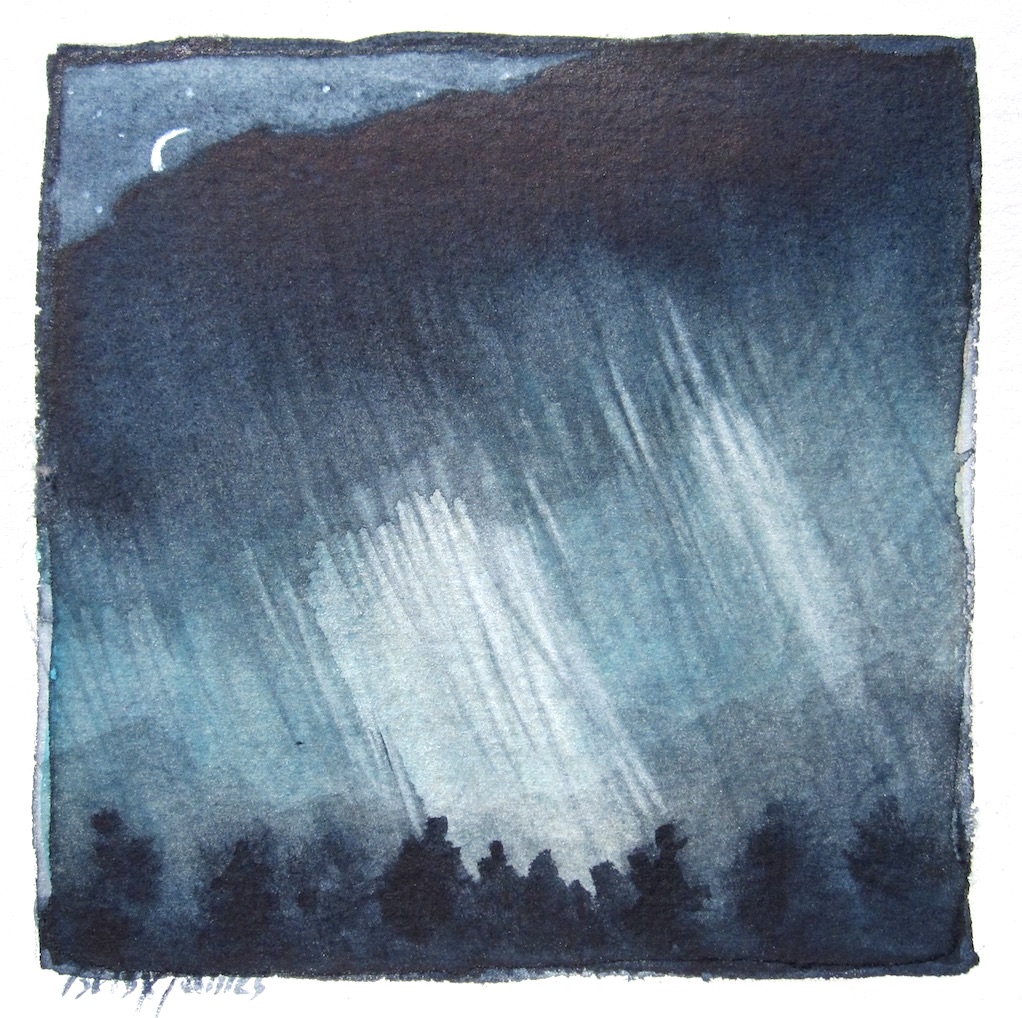
A local group, “Art as Antibodies” asked for pieces about how we’re coping with the Covid lockdown. I sent a painting of the wide and windy desert, which is how—and where—I cope. Not covidy enough, they said. So I sent a corvid.
Slot canyons are spooky, mysterious, intimate. Ravens nest along the rim. When you emerge from the dark strictures of a slot canyon you feel reborn.

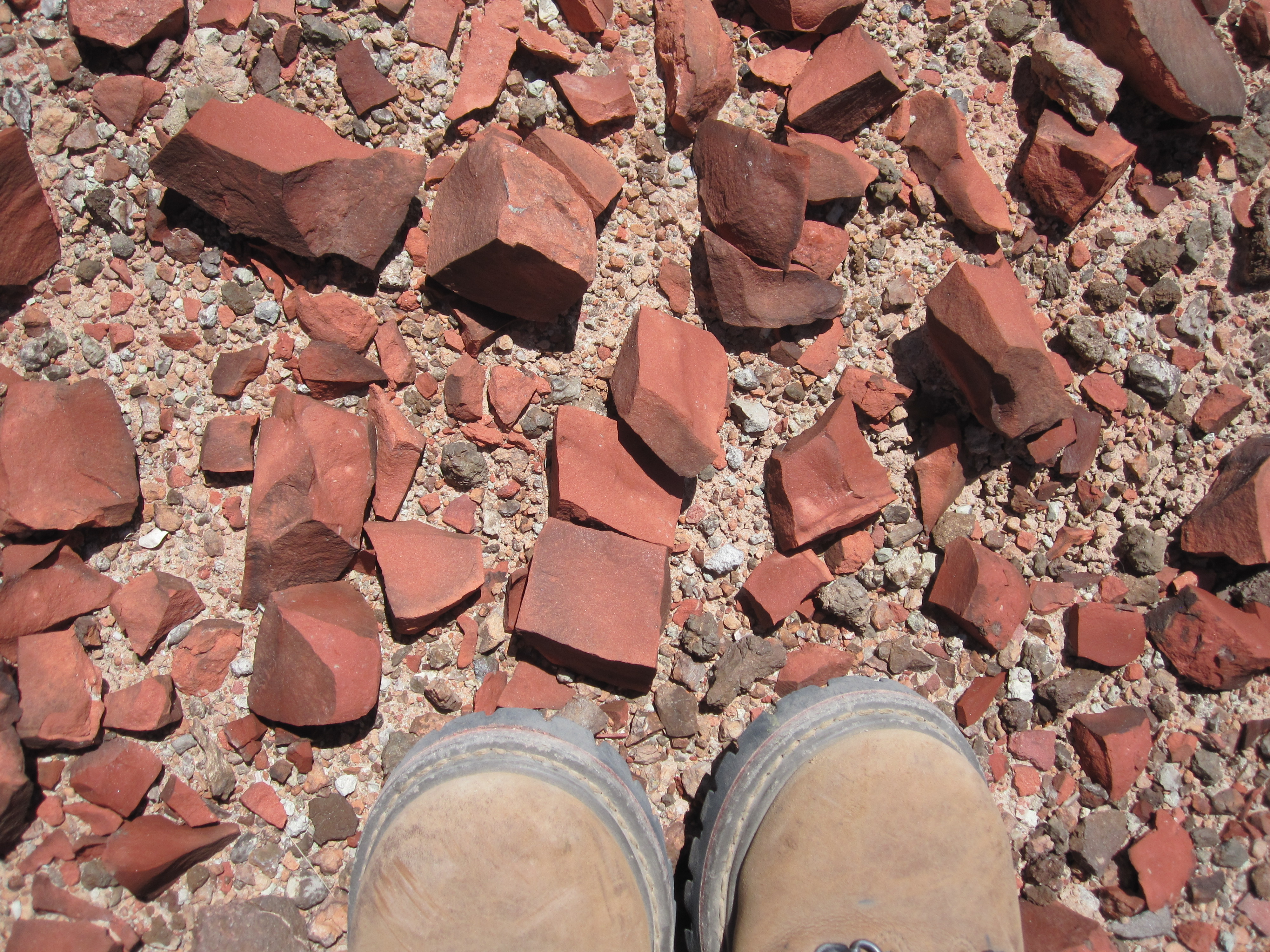
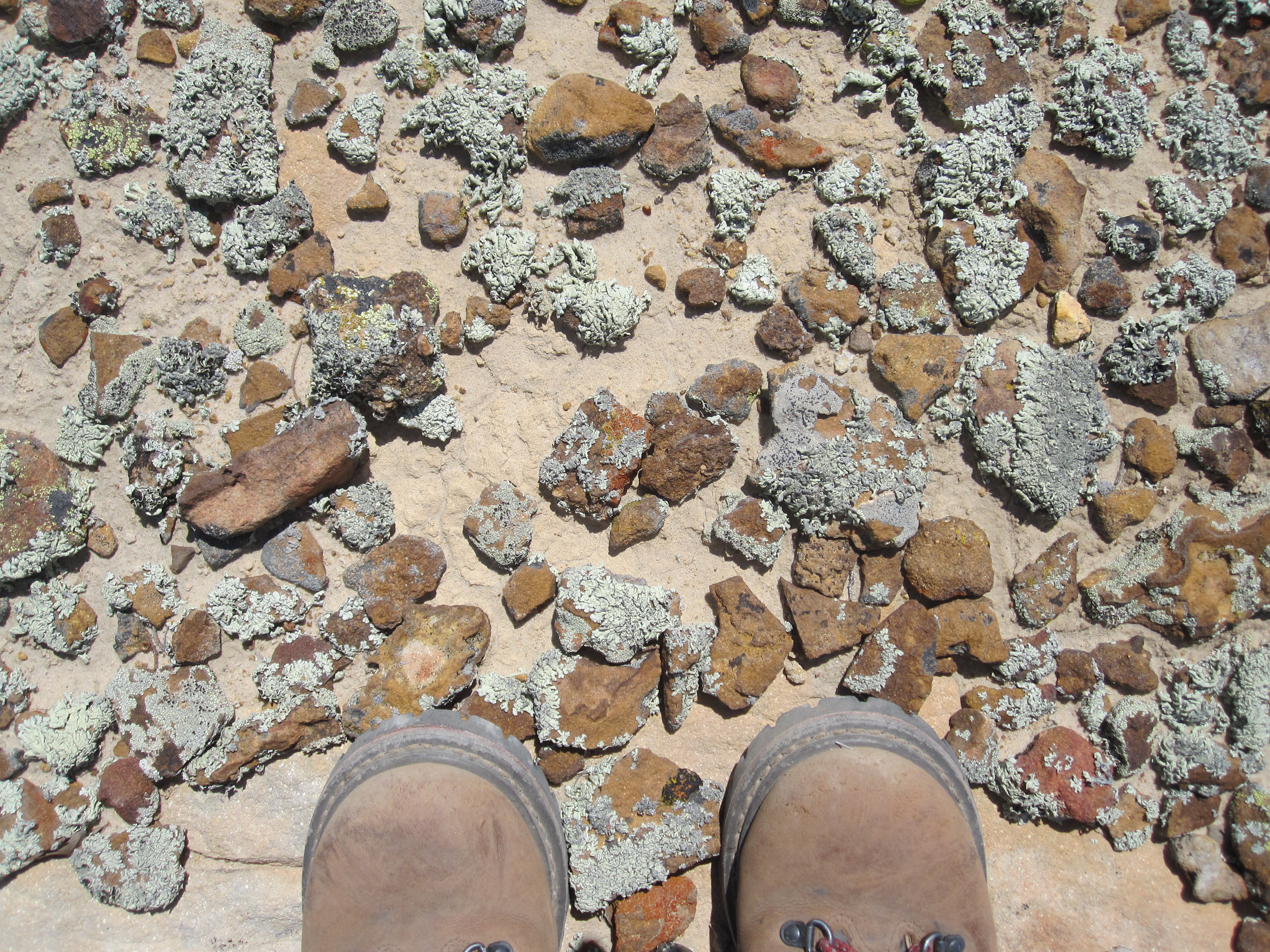
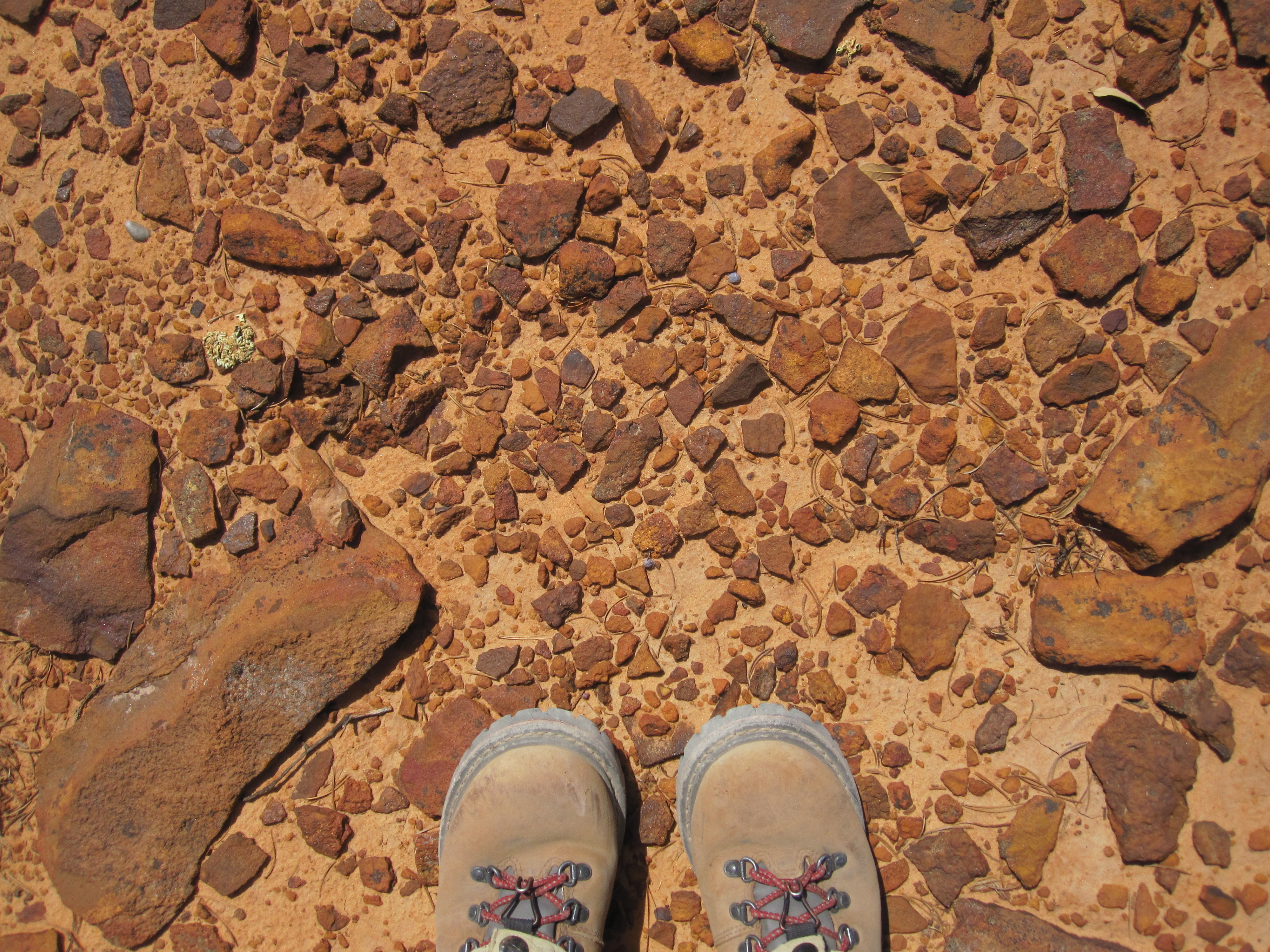
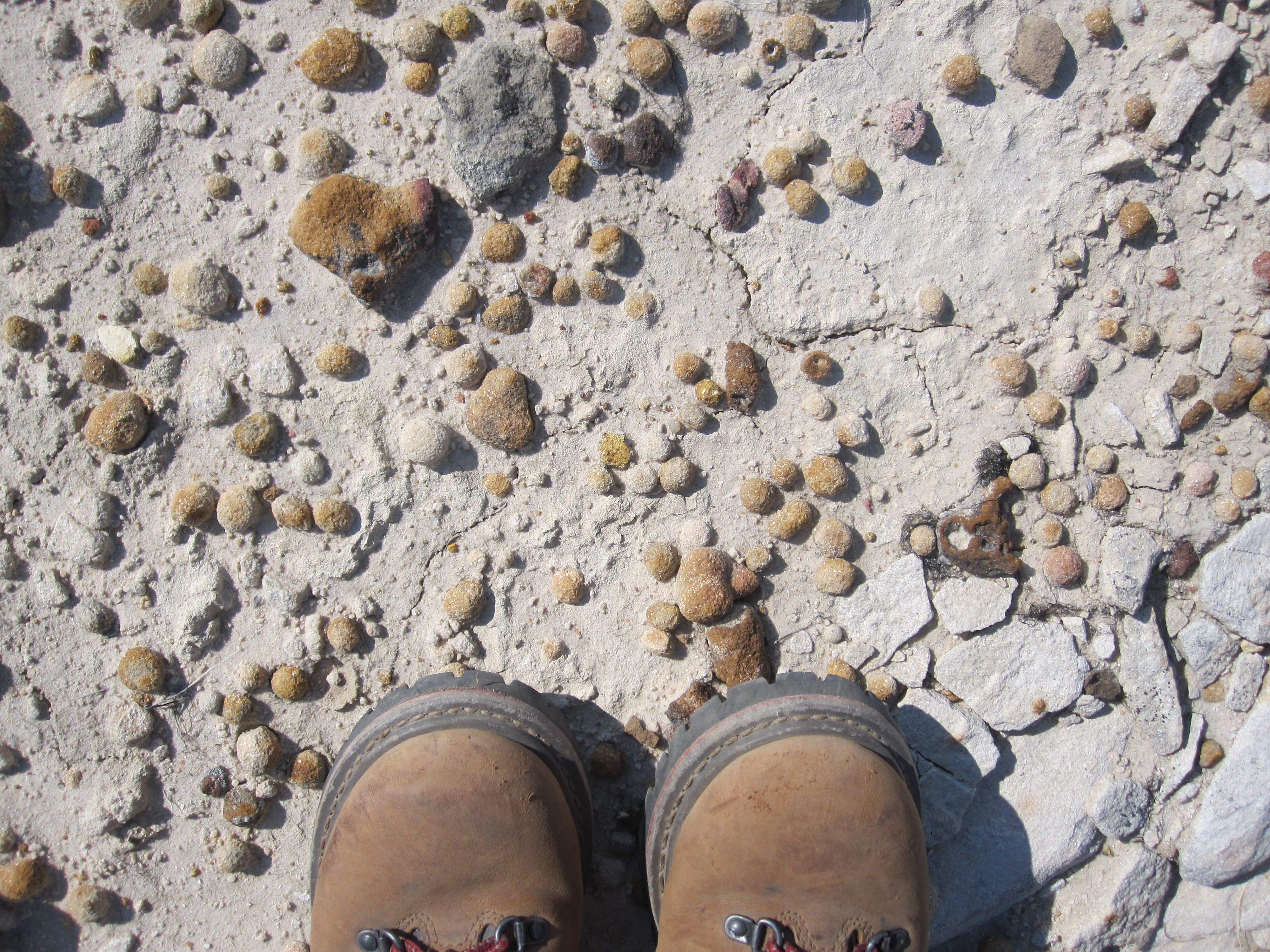
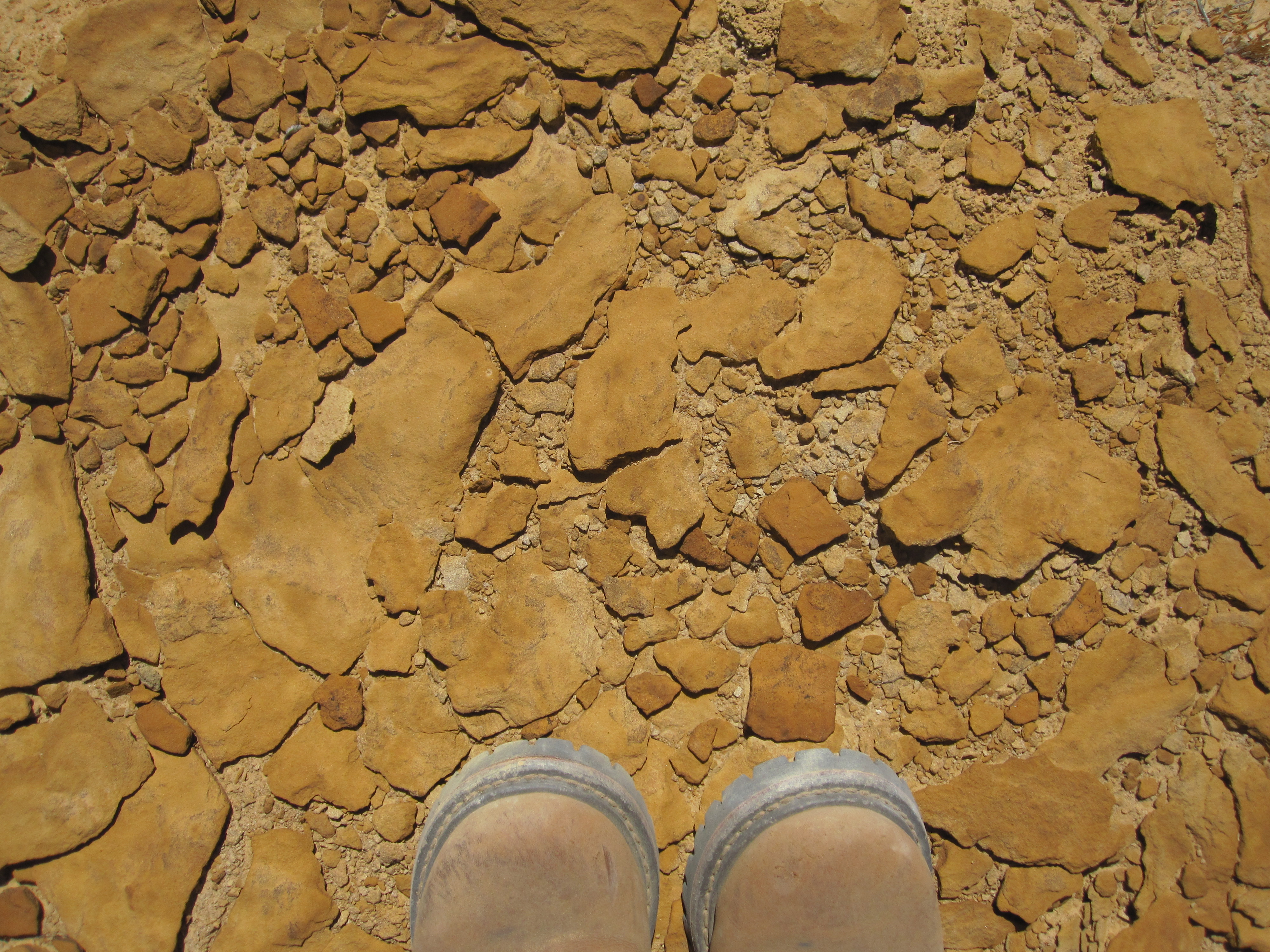
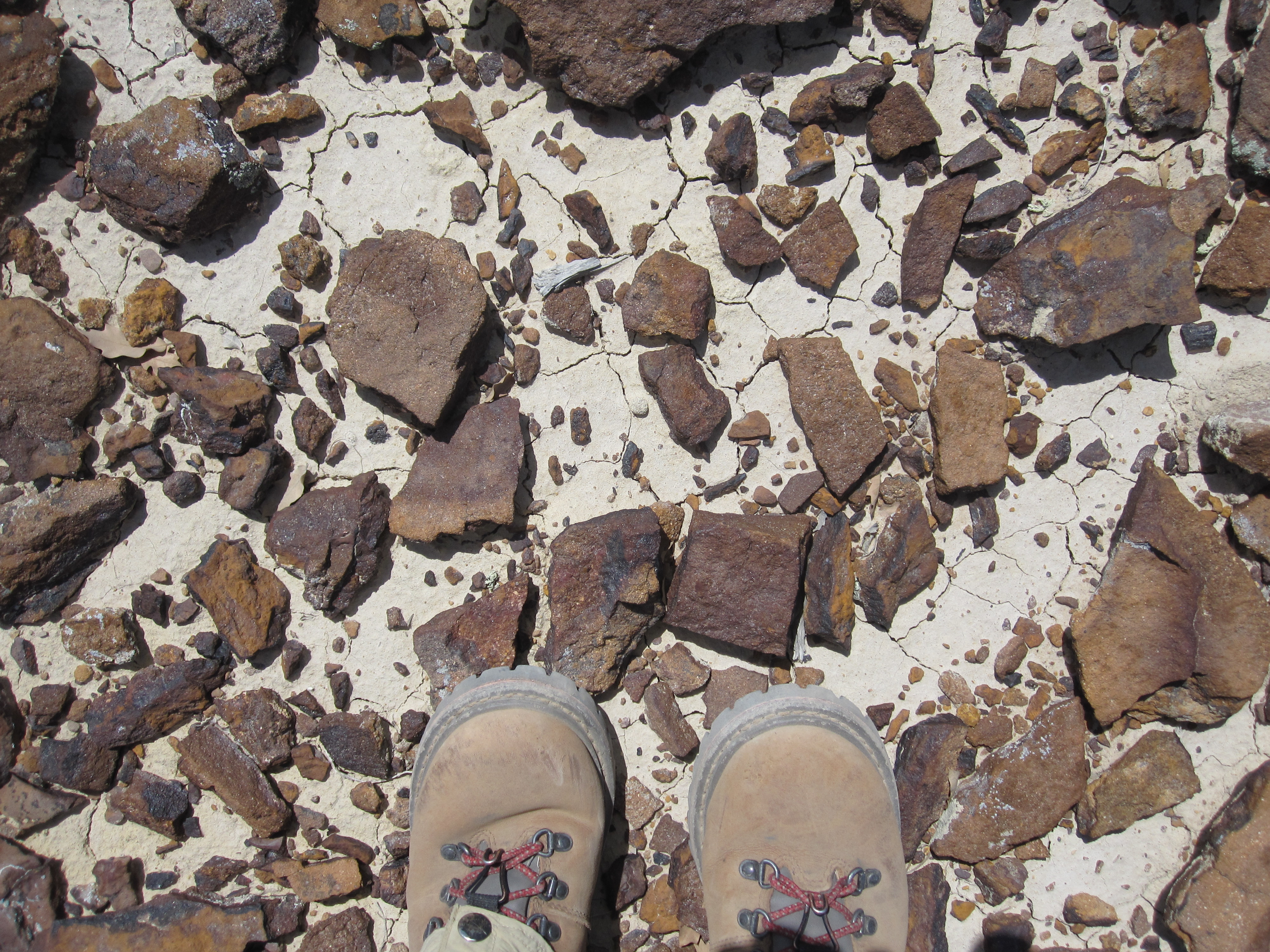

On a ridge in the low hills near the highway, a micaceous mano rested like an Easter egg in a nest of cobbles nearly the same size and shape. It was Archaic, a rounded lozenge with one smooth and one pecked side. There in its stone nest it will stay, with the hill slowly eroding out from under it.
A good dozen bushtits fussed and tsp-ed and fidgeted in the juniper. I sat very still. They seemed not to notice me, coming and going in a cloud like midges.
One red pebble.
I forgot my camera. I was indignant until I remembered I’d never owned a camera until a few years ago. All hike records were scratched with a stubby pencil on a 3×5 card.
We went off-trail in the Malpaís. Snow and wind and frost-heaving had smoothed sand over the face of the weathered stone, healing the skin of the desert until we were the first ever to walk there.
Camera or not, it was a good day, though I wish I could have gotten an image of an old friend. Fortunately I already had one; it was taken in a different season, but you get the idea.
 WORLD-BUILDING and WILDERNESS: