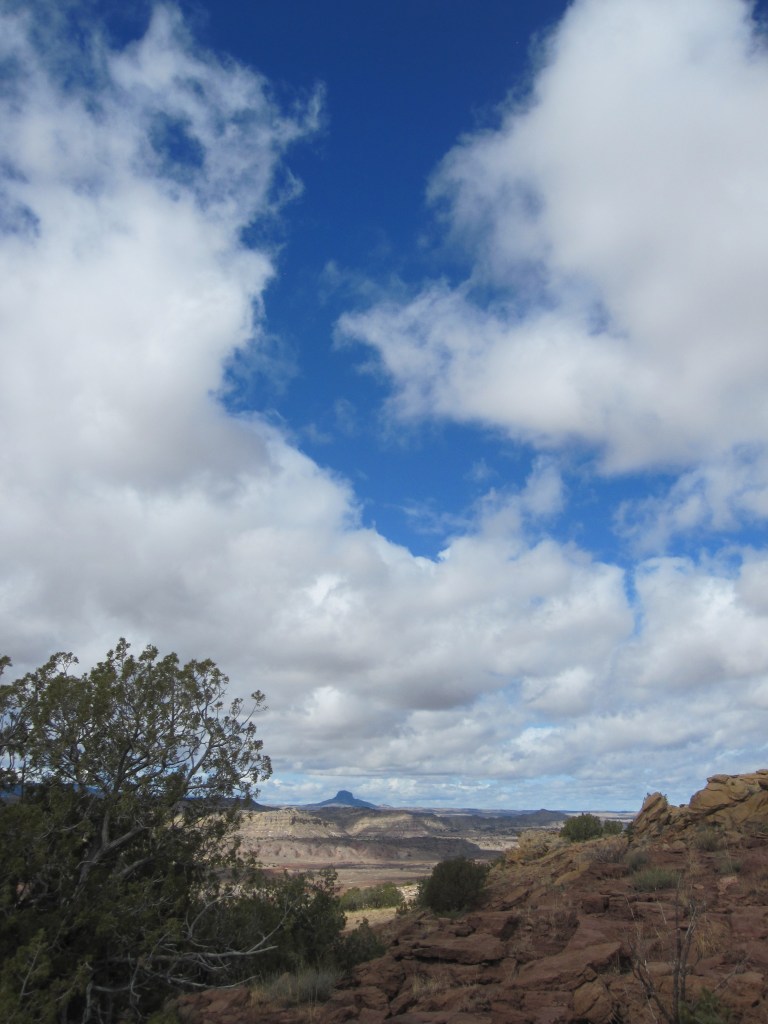
Cabezón, one of the sacred mountains.

Cabezón, one of the sacred mountains.

On raindrop-pecked sand, the subtle lunar crescent of an Archaic metate broken and abandoned a few thousand years ago.


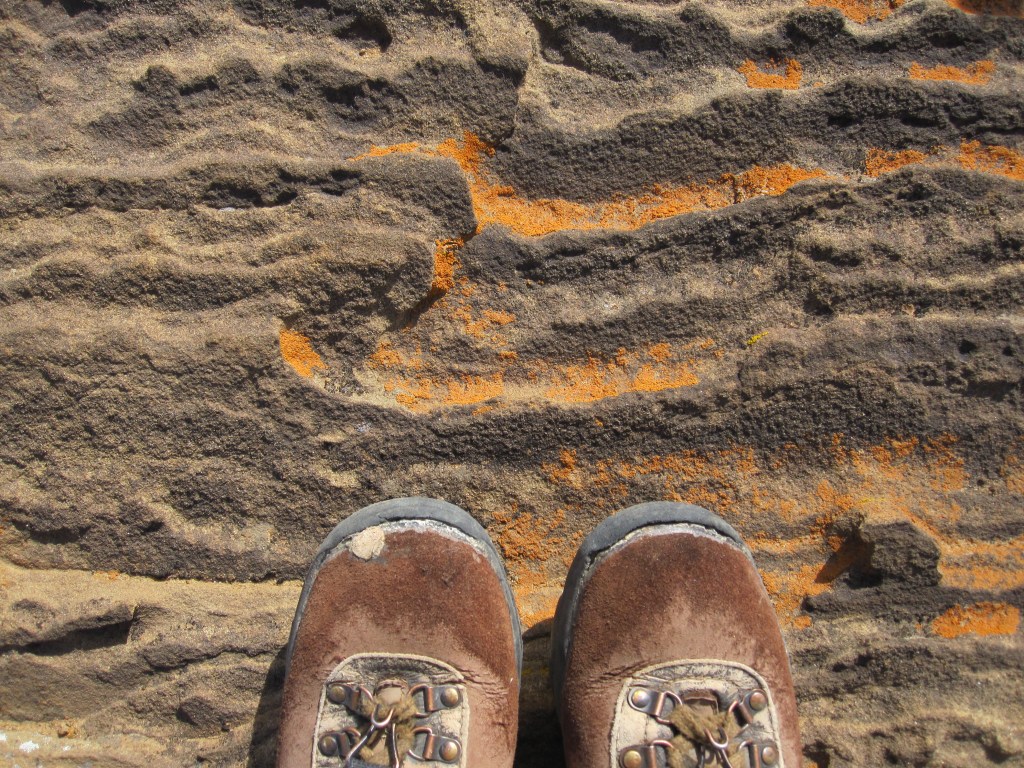
About 130 million years between tides.

An Archaic mano, or hand grinding stone, begins its next few thousand years in the sand of a hearth. Time and weather have reduced the charcoal of ancient campfires to a shadow in the soil.

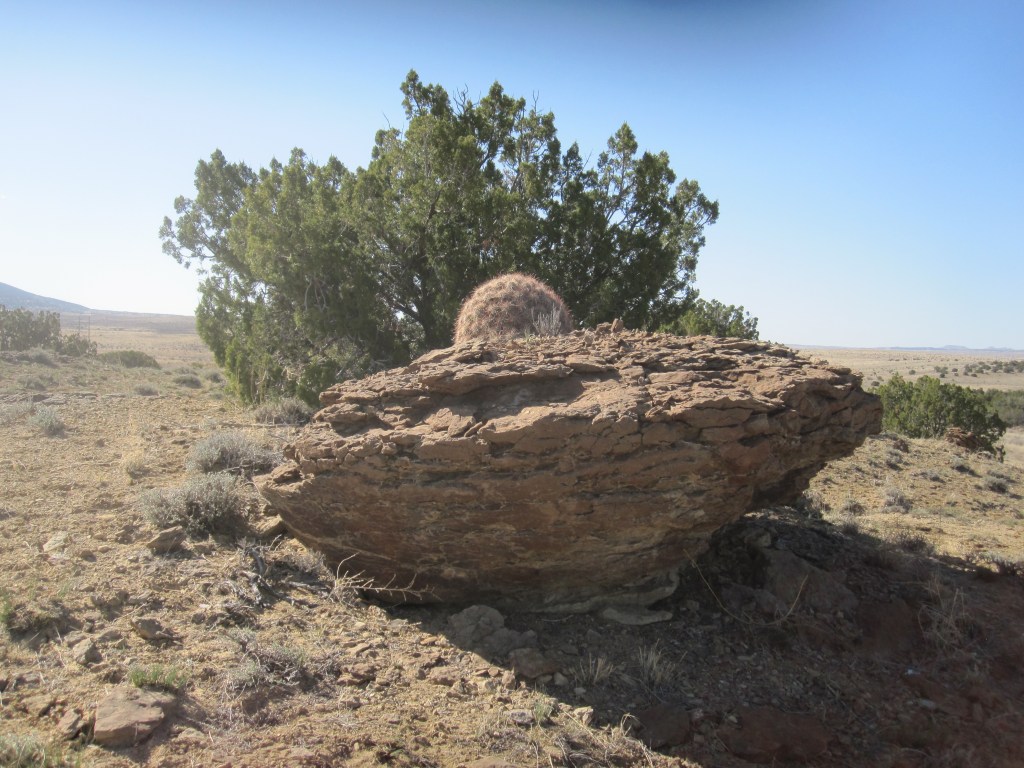
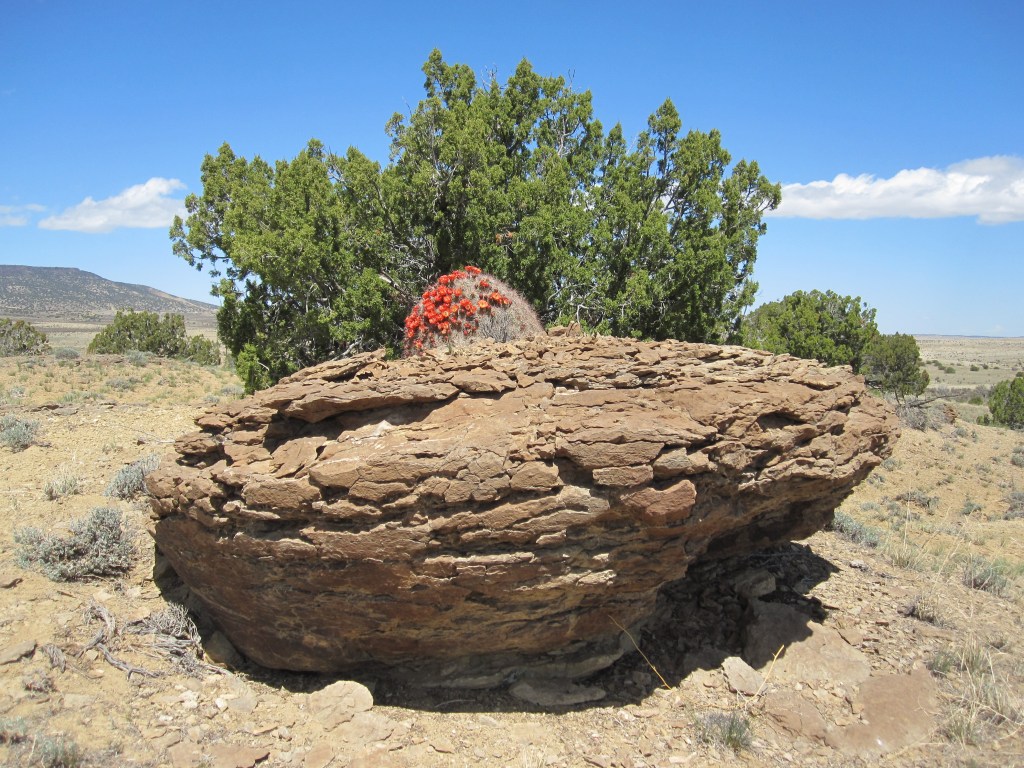
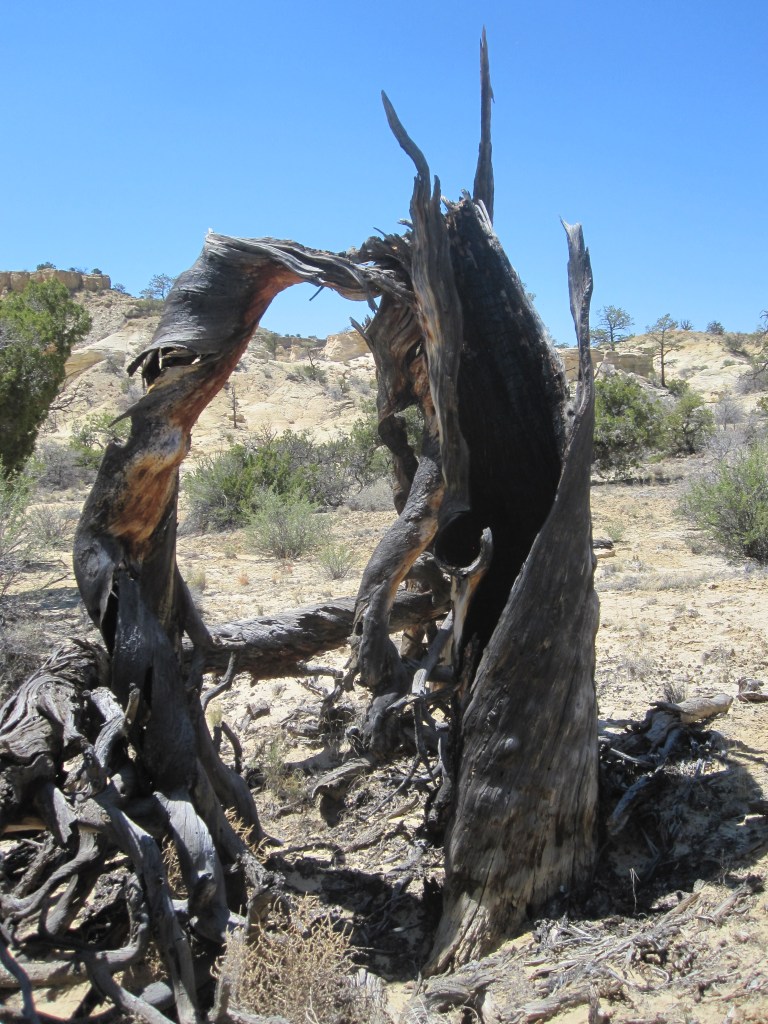
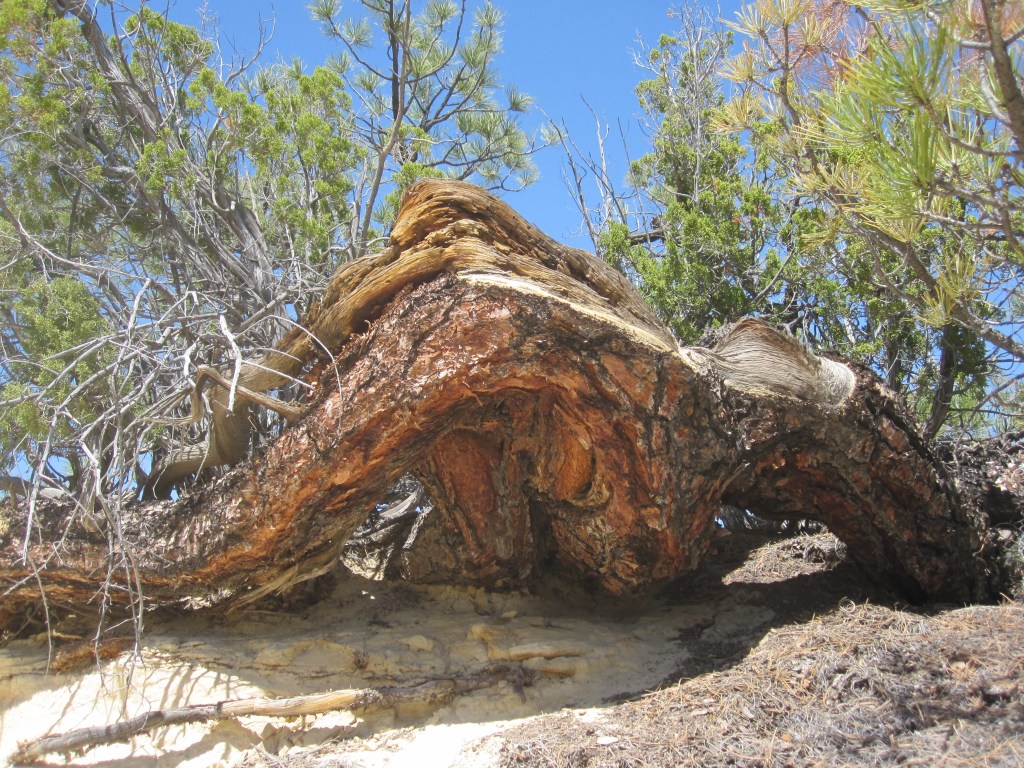
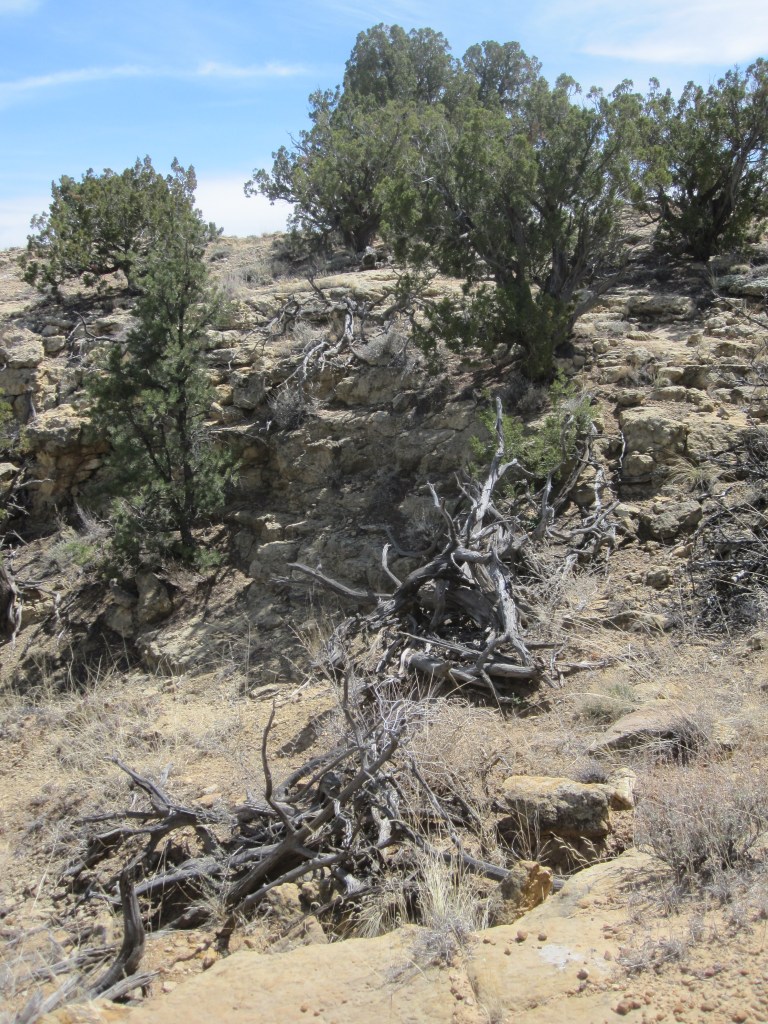
Under a juniper instead of a cork tree. Picked clean by coyotes and bleached by the desert sun.


…but the coyote was barefoot. Fair’s fair.

…and now, 150 million years later, so can we.
The Morrison Formation, deposited by rivers, deltas, and shallow seas. In rain or snow it reconstitutes to dinosaur poo—you will never get the mud off your boots.


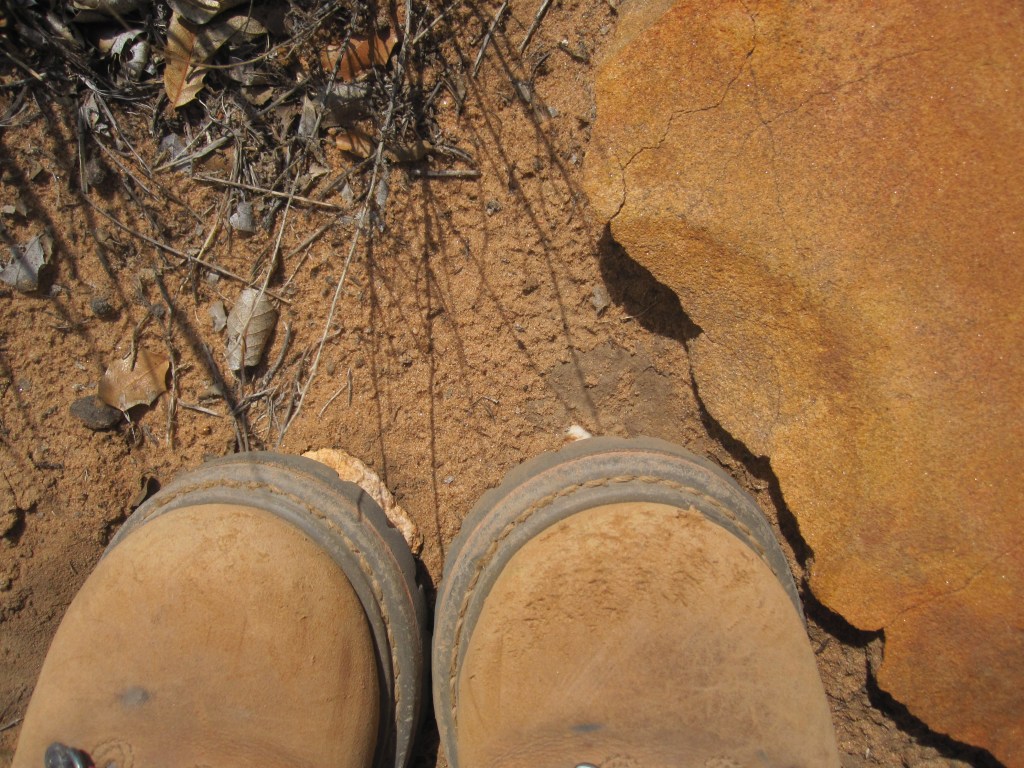
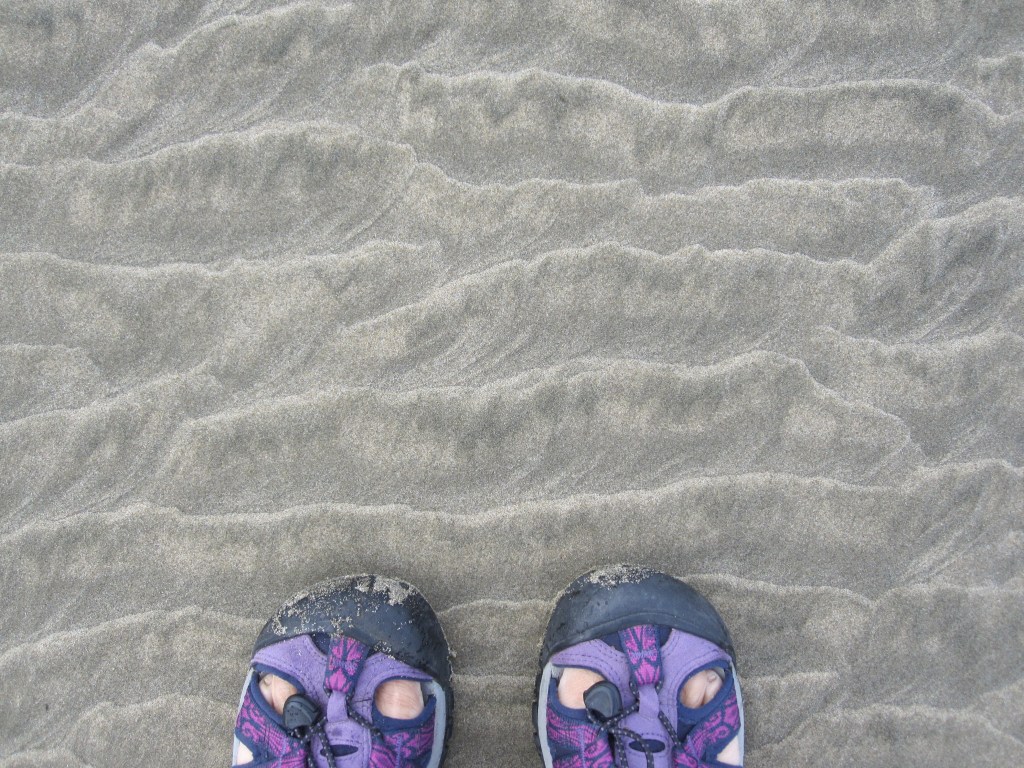
Where we put our feet can change within a yard or two.
Also true for others’ feet.


From hike journal, 10.8.95:
The day began and ended with a moon so big and orange it looked unreal, beyond natural, godlike: something to worship, for how could something so strange not be holy?
In the morning, as I drove down to meet the others at 7 a.m., the setting moon was about to touch the western horizon, oval as a big squashed orange. I stopped the pickup and said, “Oh!”
In the evening, as we drove wearily home at dusk, there she was again, rising: weird, enormous, still infinitesimally touching the purple mountains. We came over a rise in the road and all together said, “Oh!“
Later they switched moons on us and there was only that little cold dime, high in the sky.

After long heat, rain and chill at last. The little tinajas in the sandstone have sips of water now for birds, foxes, coyotes.
The sinuous watercourses are full of red mud. This collared lizard—male? female?—out and about before cold weather, was actually an outrageous neon chartreuse. With a muddy face.